


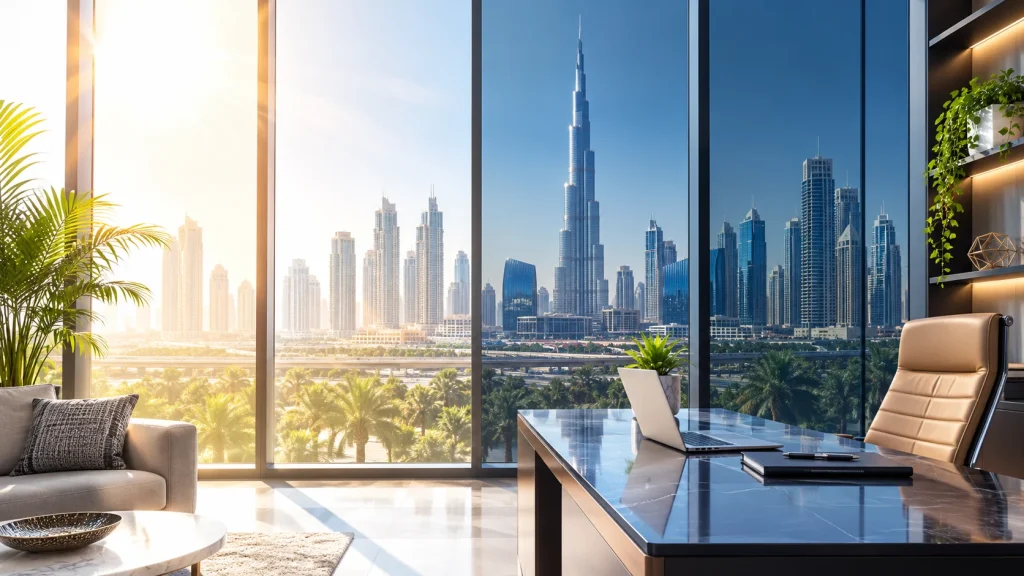
Architectural window films are thin, high-performance films applied directly to glass windows and doors to improve comfort, privacy, solar control, UV protection, safety, and the overall appearance of a building.
Unlike traditional window treatments such as curtains or blinds, window film works directly on the glass while allowing you to maintain natural light and visibility. Depending on the type of film selected, it can help reduce solar heat, control glare, protect interiors from UV exposure, improve privacy, or add an extra layer of protection to glass.
For homes, offices, retail stores, hotels, villas, and other commercial buildings, architectural window film can be a practical way to upgrade existing glass without replacing the windows.
At Grand Line, our NANO CARE Architectural Window Films are designed for residential and commercial applications, offering solutions for solar control, privacy, safety, UV protection, energy efficiency, and decorative enhancement.
What Is Architectural Window Film?
Architectural window film is a specially engineered material designed to be installed on glass surfaces in buildings.
Depending on its construction and purpose, a window film can control different aspects of solar energy and visible light passing through the glass.
Modern architectural films can provide benefits such as:
- Solar heat reduction
- UV protection
- Glare reduction
- Improved indoor comfort
- Enhanced privacy
- Additional glass safety
- Reduced fading of interior furnishings
- Improved energy efficiency
- Decorative and aesthetic improvements
This makes window film more than just a visual upgrade. The right film can improve how a building looks and performs.
How Does Architectural Window Film Work?
Glass allows sunlight, heat, and visible light to enter a building. During bright and hot conditions, excessive solar energy can increase indoor temperatures and place additional demand on air-conditioning systems.
Architectural window film helps control this solar energy at the glass.
Depending on the film type, it can reflect or absorb part of the solar energy while controlling the amount of visible light entering the room.
This can help create a more comfortable indoor environment without completely blocking natural daylight.
At Grand Line, our architectural window film range includes reflective films, safety and protective films, and decorative solutions, allowing different buildings to use different film technologies according to their requirements.
Key Benefits of Architectural Window Films
1. Reduce Solar Heat
One of the most common reasons to install architectural window film is to control solar heat.
Large glass windows can allow significant sunlight and solar energy into a room. This can make offices, rooms, storefronts, and other spaces uncomfortable, especially during periods of strong sunlight.
Solar-control window films help reduce the amount of solar heat entering through the glass.
The result can be:
- Cooler indoor spaces
- Better occupant comfort
- Less dependence on cooling
- Improved use of rooms with large glass areas
Grand Line’s architectural window film solutions are designed with solar control and heat reduction in mind.
2. Reduce Glare
Natural light is valuable, but excessive brightness can create uncomfortable glare.
Glare can affect:
- Computer screens
- Television screens
- Office workstations
- Meeting rooms
- Retail displays
- Living spaces
A suitable window film can help control excessive visible light and reduce glare while maintaining useful daylight.
This makes architectural window film particularly useful for offices and buildings with large areas of exposed glass.
3. Help Protect Interiors From UV Exposure
UV radiation can contribute to fading and deterioration of interior materials over time.
Furniture, flooring, curtains, artwork, displays, and other interior surfaces can be exposed to sunlight every day through windows.
Architectural window films can provide significant UV protection, helping reduce the impact of prolonged sunlight exposure on interiors.
For example, Grand Line’s architectural range is designed to help protect furniture, flooring, and other interior elements from UV-related fading.
4. Improve Privacy
Glass provides natural light and visibility, but it can also make private spaces highly visible from outside.
Privacy window films provide a way to improve privacy without completely removing the benefits of glass.
They can be used in:
- Office partitions
- Meeting rooms
- Bathrooms
- Residential windows
- Retail spaces
- Reception areas
- Glass doors
Depending on the design, privacy films can create a more discreet environment while maintaining a modern appearance.
5. Add an Extra Layer of Glass Protection
Windows are an important part of a building, but ordinary glass can break when subjected to impact.
Safety and protective window films can help hold broken glass together after impact, reducing the risk associated with loose shards.
Grand Line’s NANO CARE Safety & Protective Clear Film is a 4 mil transparent film designed for residential, commercial, and automotive applications. It provides an additional protective layer while maintaining clear visibility.
For buildings where glass safety is an important consideration, this type of film can provide an additional layer of protection without changing the appearance of the glass significantly.
Architectural Window Film for Homes
Homeowners often choose window film to improve comfort, privacy, and protection without replacing existing windows.
Architectural window film can be used on:
- Villa windows
- Apartment windows
- Balcony glass
- Sliding glass doors
- Bathroom windows
- Large living-room windows
- Home office windows
For homes with large glass areas, solar-control film can help manage heat and glare while maintaining natural light.
Privacy and decorative films can also transform ordinary glass into a more attractive design feature.
Architectural Window Film for Offices
Modern offices often use large glass windows and glass partitions to create bright, open workspaces.
However, excessive sunlight can create glare on computer screens and increase indoor temperatures.
Window film can help address these issues while maintaining the visual benefits of glass.
For offices, common applications include:
- External windows
- Glass meeting-room partitions
- Reception areas
- Conference rooms
- Office doors
- Internal glass partitions
A carefully selected film can create a more comfortable and functional working environment.
Architectural Window Film for Shops and Commercial Buildings
Retail stores, showrooms, hotels, restaurants, and other commercial buildings can also benefit from architectural window films.
Large glass surfaces can provide excellent visibility and natural light, but they can also introduce heat, glare, and privacy concerns.
Reflective films can combine solar control with a modern exterior appearance.
For example, Grand Line’s Bronze Reflective Film provides a distinctive bronze appearance while helping reduce heat and glare and blocking more than 99% of harmful UVA and UVB radiation according to the product specifications.
The Nano Care Double Silver Reflective Film is another option, designed for solar control, glare reduction, UV protection, and increased privacy. It is available in different VLT options, including 20% and 5%.
Types of Architectural Window Films
Not every building needs the same type of window film. The right choice depends on the building, glass type, location, desired appearance, and primary objective.
Reflective Window Film
Reflective window films use a reflective finish to control solar energy while creating a distinctive exterior appearance.
They are commonly considered for:
- Commercial buildings
- Offices
- Retail stores
- Showrooms
- Large glass facades
Grand Line offers several reflective architectural options, including Double Silver, Gold Silver, Brown Silver, Grey Silver, Black Silver, and Bronze Reflective films.
Safety & Protective Window Film
Safety films are designed to add another layer of protection to glass.
They can help hold broken glass together after impact and are suitable for residential and commercial applications.
Grand Line’s NANO CARE Safety & Protective Clear Film has a transparent finish and 4 mil thickness, allowing protection to be added without significantly changing the appearance of the glass.
Decorative Window Film
Decorative films can change the appearance of plain glass while also improving privacy.
They can be particularly useful for:
- Offices
- Hotels
- Retail interiors
- Bathrooms
- Glass partitions
- Interior design projects
Decorative films provide designers and property owners with another way to create visual separation without installing permanent walls or replacing glass.
What Is VLT and Why Does It Matter?
When comparing window films, you may come across the term VLT, which stands for Visible Light Transmission.
VLT indicates how much visible light passes through the film.
For example:
- Higher VLT = more visible light passes through
- Lower VLT = less visible light passes through
The appropriate VLT depends on the building’s purpose and the desired balance between daylight, privacy, glare control, and appearance.
For example, Grand Line’s Double Silver Reflective Film is available in 20% VLT and a darker 5% option, while Gold Silver Reflective Film is listed at 10% VLT.
Architectural Window Film vs Replacing Glass
Replacing existing glass can be expensive, disruptive, and time-consuming.
Window film offers an alternative approach for many applications because it can upgrade existing glass without completely replacing the window.
Instead of removing the entire window system, property owners can consider applying a film that addresses their specific requirement.
Depending on the project, the objective could be:
Too much heat → Solar-control film
Excessive glare → Reflective or solar-control film
Privacy concerns → Privacy or decorative film
UV exposure → UV-protective film
Glass safety → Safety and protective film
Exterior appearance → Reflective or decorative film
This makes architectural window film a flexible solution for both new and existing buildings.
How to Choose the Right Architectural Window Film
Before selecting a film, consider five important factors.
1. What problem are you trying to solve?
Start with the primary objective.
Do you need:
- Heat reduction?
- Glare control?
- Privacy?
- UV protection?
- Glass protection?
- A decorative finish?
- A new exterior appearance?
2. How much natural light do you want?
Consider the desired VLT before selecting the film.
A brighter interior may require a higher VLT, while stronger privacy and shading may require a lower VLT.
3. What type of building is it?
The best solution for a villa may not be the same as the best solution for an office, hotel, retail store, or commercial building.
4. What appearance do you want?
Reflective films can create a modern exterior appearance, while decorative films can enhance interior glass.
Clear safety films are suitable when maintaining the original appearance of the glass is important.
5. What type of glass will receive the film?
Glass construction, size, location, exposure, and existing glazing should be considered before installation.
For larger commercial projects, professional assessment is recommended to identify the most suitable film for the glass and application.
Why Choose Grand Line for Architectural Window Films?
Grand Line provides a range of NANO CARE Architectural Window Films designed for residential and commercial applications.
Our range covers different requirements, including:
- Solar control
- Heat reduction
- UV protection
- Glare reduction
- Privacy
- Safety
- Decorative enhancement
Our architectural window film portfolio includes reflective and protective solutions designed for different applications and appearance requirements.
Whether you are working on a villa, office, retail store, showroom, hotel, or commercial building, selecting the right film starts with understanding the building’s requirements.
Upgrade Your Glass Without Replacing It
Architectural window film provides a practical way to improve the performance and appearance of existing glass.
From reducing solar heat and glare to improving privacy, protecting interiors from UV exposure, and adding an extra layer of glass protection, the right film can provide several benefits in a single solution.
Grand Line’s range of NANO CARE Architectural Window Films offers solutions for different residential and commercial applications.
If you are planning a window film project, explore our Architectural & Automotive Window Films range or contact Grand Line to discuss the right solution for your project.